



Public perspectives on trust in news
Overview and key findings of the 2024 Digital News Report
Digital News Report 2024
Reuters Memorial Lecture

The event
Our annual Reuters Memorial Lecture is delivered each year by someone at the highest level of journalism. The lecture deals with a critical issue facing the news industry and is followed by a panel discussion on the themes of the talk.
On 9 March, Carlos Dada, Co-founder and Editor-in-Chief of Salvadoran news outlet El Faro, delivered the 2026 Reuters Memorial Lecture, titled 'Journalism as Resistance'. | Read the lecture's full text and watch
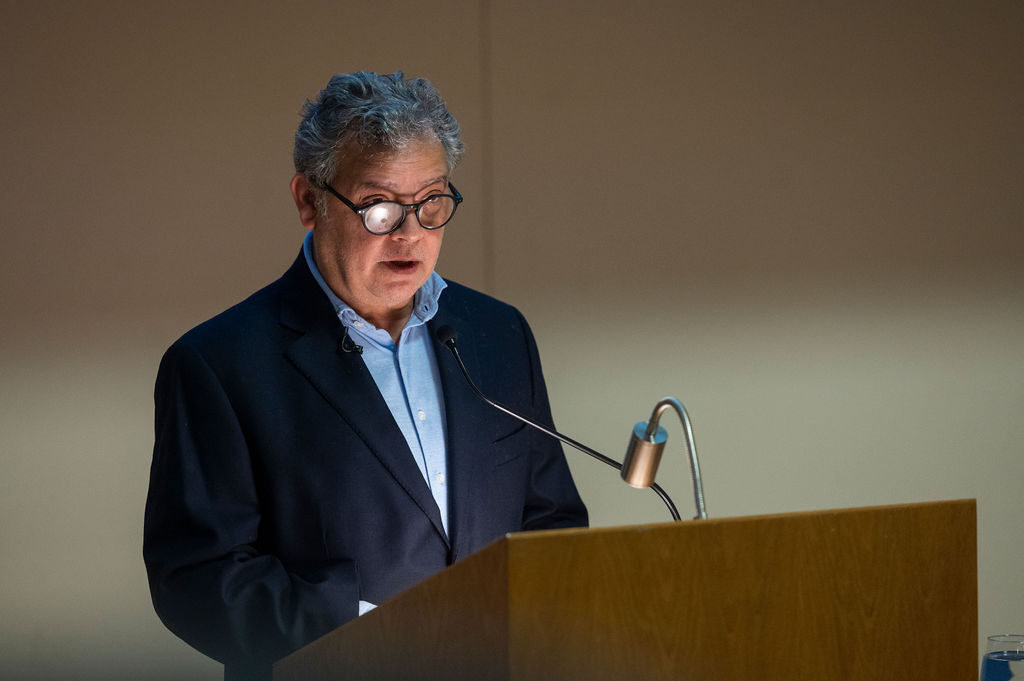
Read our summary of the panel discussion
After the lecture, Mitali Mukherjee chaired a panel discussion featuring Dada along with Noa Landau from Haaretz and Nick Tattersall from Reuters. | Read the summary
Read our interview with Carlos Dada
“When you don’t live in a healthy society, journalism’s impact is not as big as it should be,” Dada said. | Read the interview
Lee nuestra entrevista en español
"Lo más importante que el periodismo puede hacer ante una dictadura es decir la verdad", dice Dada en esta entrevista con nuestro director editorial Eduardo Suárez. | Lee la entrevista
Watch Carlos Dada's Memorial Lecture
Catch up with this year's Reuters Memorial Lecture, delivered by Salvadoran journalist Carlos Dada, co-founder and editor-in-chief of El Faro.
The lecture was followed by a panel chaired by the Reuters Institute's Director, Mitali Mukherjee, featuring Dada along with Noa Landau from Haaretz and Nick Tattersall from Reuters.
Watch the lecture and the panel
In every email we send you'll find original reporting, evidence-based insights, online seminars and readings curated from 100s of sources - all in 5 minutes.
- Twice a week
- More than 20,000 people receive it
- Unsubscribe any time
signup block
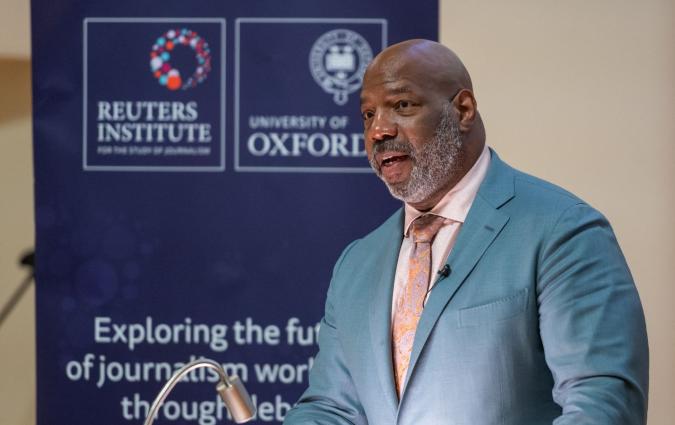
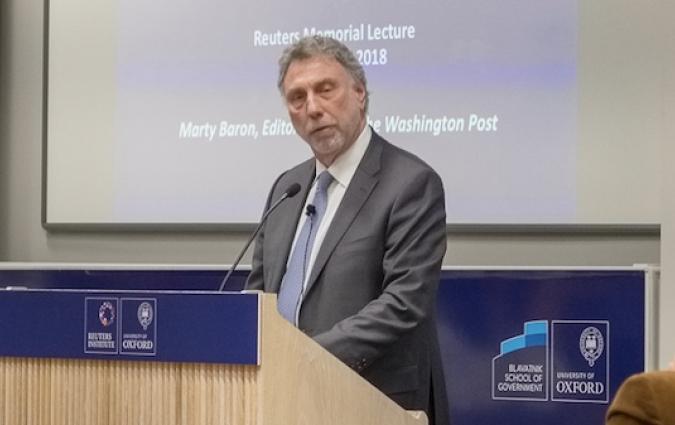
Full text of Jelani Cobb's 2025 Reuters Memorial Lecture: Trust issues. Credibility, credulity and journalism in a time of crisis
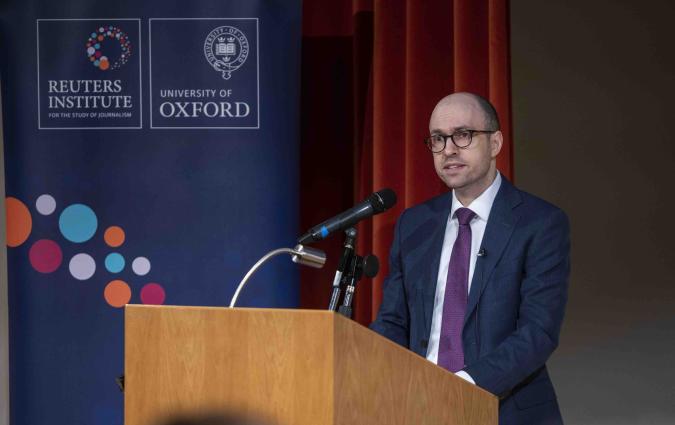
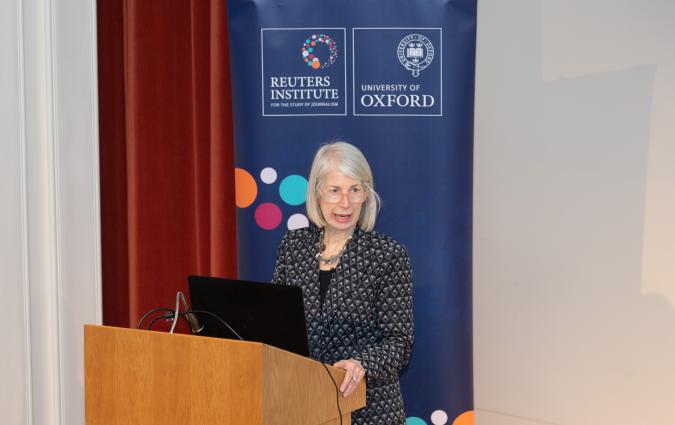
A. G. Sulzberger's 2024 Reuters Memorial Lecture: Journalistic independence in a time of division
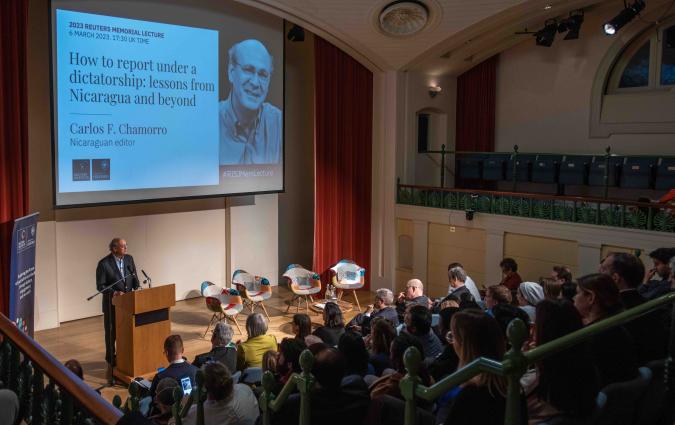
Carlos F. Chamorro's 2023 Reuters Memorial Lecture: How to report under a dictatorship – lessons from Nicaragua and beyond
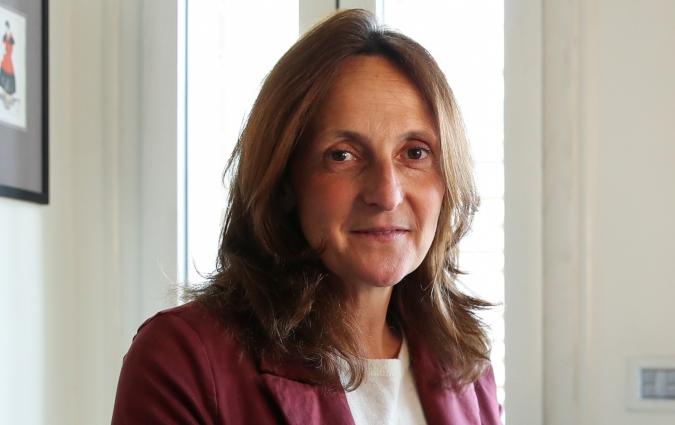
Alessandra Galloni's 2022 Reuters Memorial Lecture: Tanks, TikTok and trust – journalism in a time of turmoil
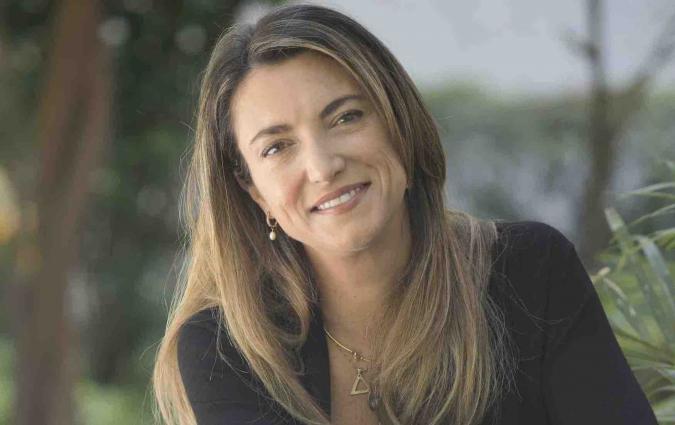
Patrícia Campos Mello's 2021 Reuters Memorial Lecture: How to rescue journalism in an age of lies
AI and the Future of News
Overview
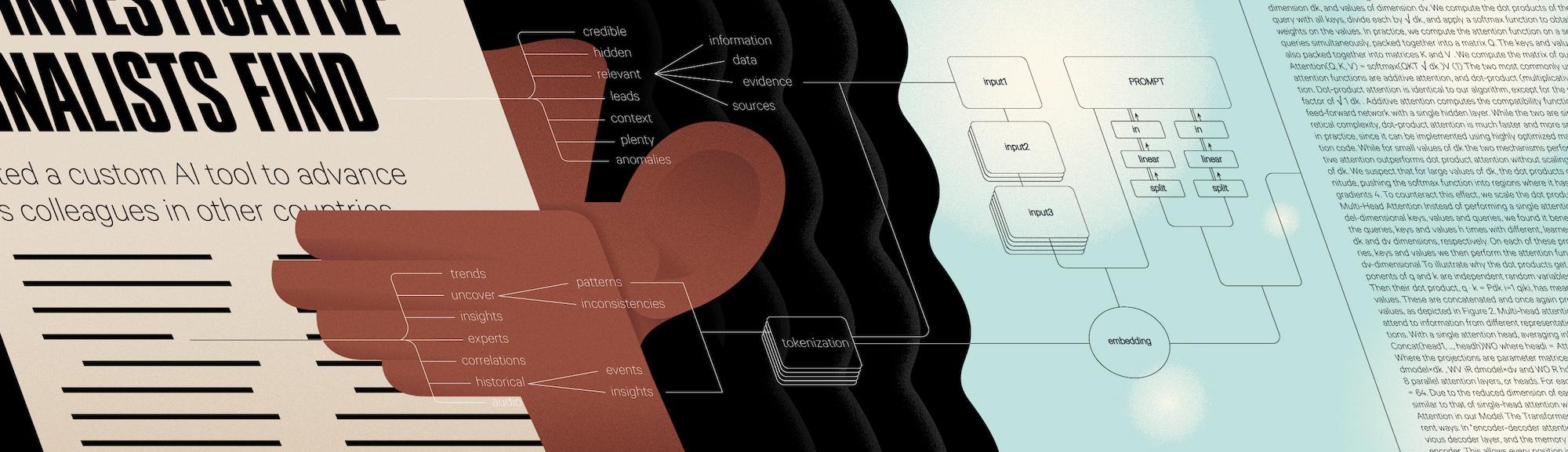
AI is central to the Reuters Institute for the Study of Journalism’s mission to explore the future of journalism worldwide. Since 2016, we have worked with journalists and editors, technologists, and others to better understand what the development of artificial intelligence might mean for the future of news, and published research on various aspects of this.
Here you can find more information about what we are doing around AI for practising journalists covering these technologies and the issues they raise, for editors and news media executives navigating what they might mean for the industry, and for everyone interested in learning more about AI and the future of news from our research and our original reporting. | Learn more | Sign up for updates on our AI work
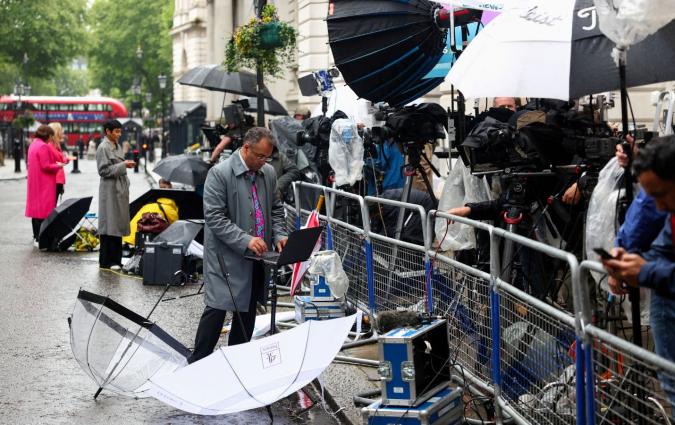
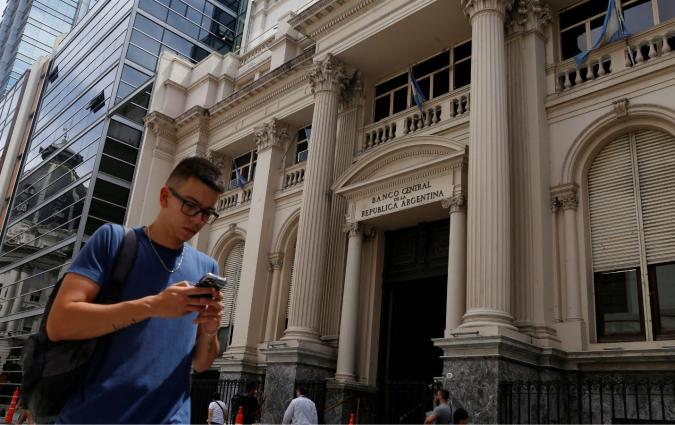

How audiences think about news personalisation in the AI era
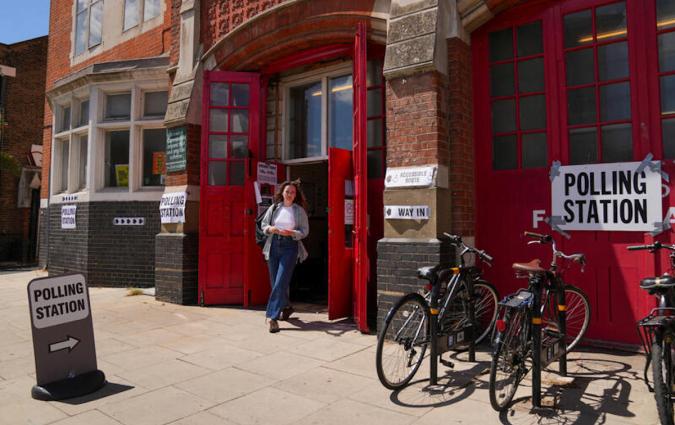
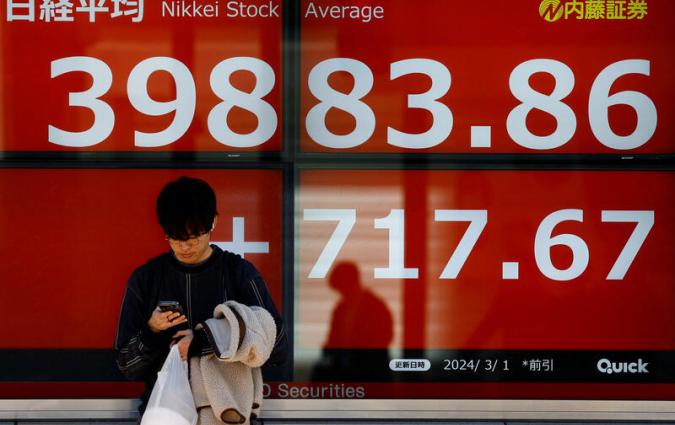
OK computer? Understanding public attitudes towards the uses of generative AI in news

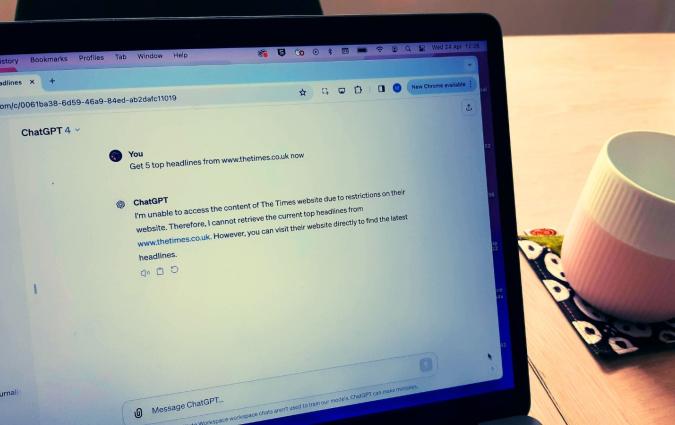

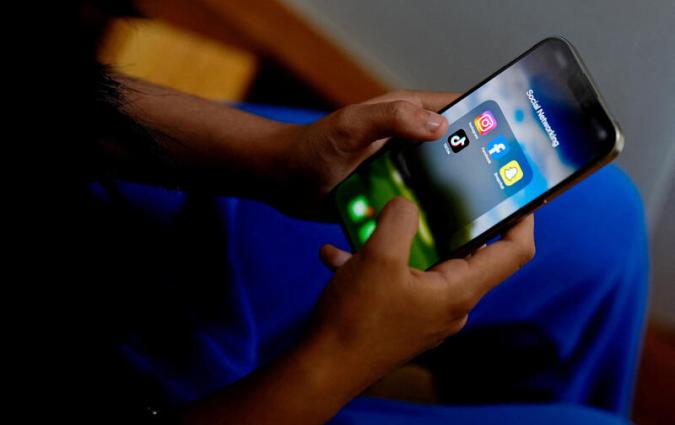
A selection of our latest reporting on AI and the future of news. Find all our work on this topic here.

Speed, hoaxes and mistrust: How AI is transforming freelance journalism

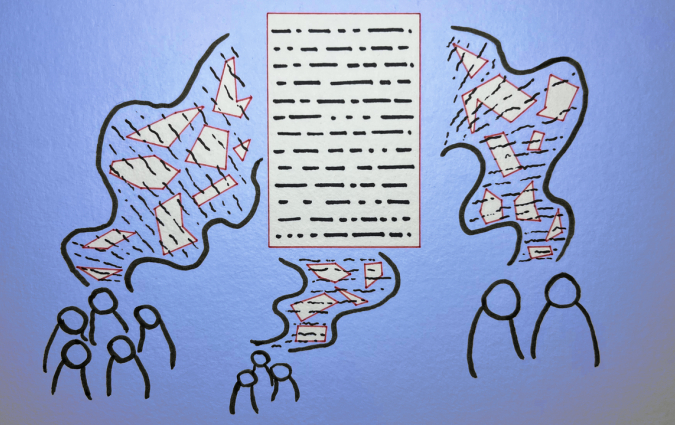
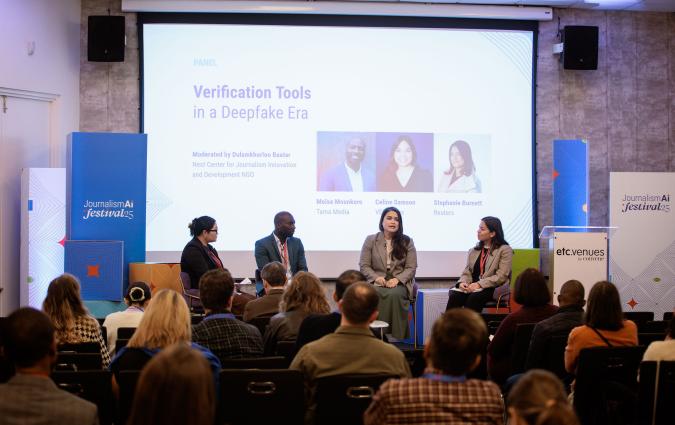
JournalismAI Festival 2025: Four projects that caught our eye and a few rising trends
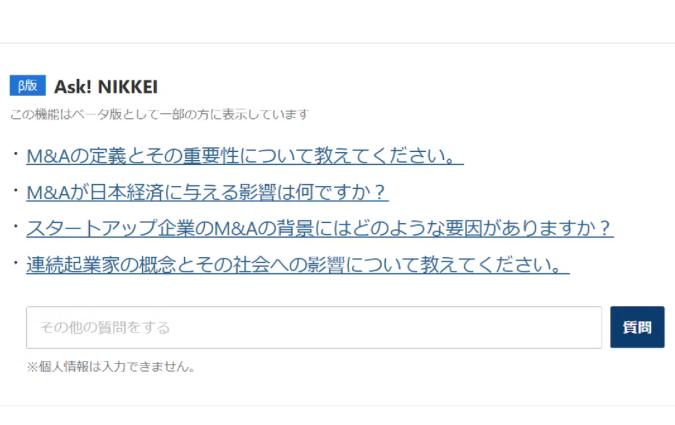
What Nikkei learnt from building its own Japanese AI chatbot
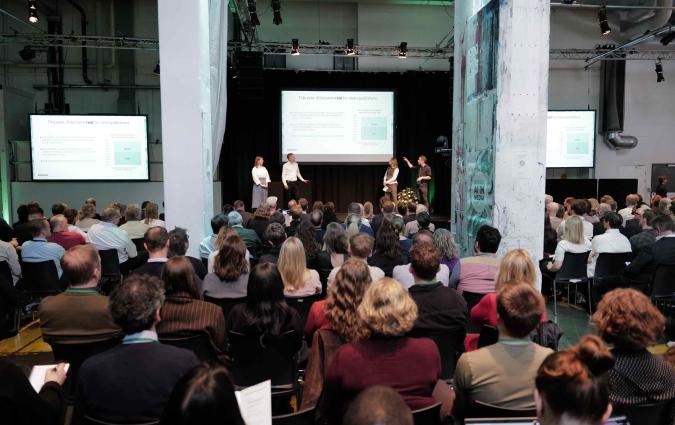
Nordic AI in Media Summit 2025: Five takeaways from this annual event on the future of news
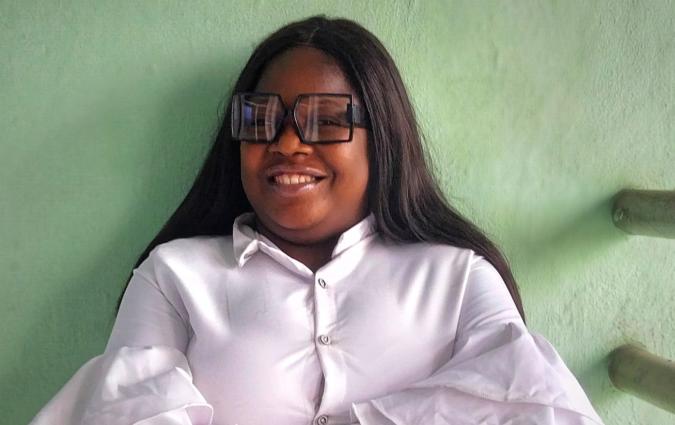
How a small Nigerian newsroom used AI for a flooding investigation

This AI expert is creating a chatbot to keep you safe

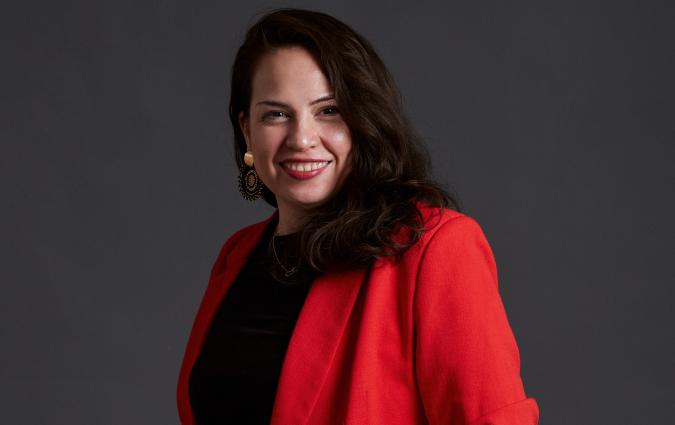
AI and the Future of News Conference
On March 17, we hosted our second yearly one-day AI conference featuring presentations and panel discussions with journalists from around the world and experts from the University of Oxford and beyond.
The schedule for the day included discussions on how AI is transforming journalism and impacting society as a whole. There were also presentations of the Institute’s research, including of our work on what audiences make of AI’s role in news, and on AI adoption by UK journalists and their newsrooms. | Read a summary of the conference
The first edition of the conference, held in March 2025, featured leading journalists, experts and researchers at the cutting edge of understanding and using this technology. Watch the event in full and read a summary.

The information ecosystem is being redrawn by AI. That might be good news

Advertising was always going to come for AI chatbots. The real question is how

AI is undermining OSINT’s core assumptions. Here’s how journalists should adapt
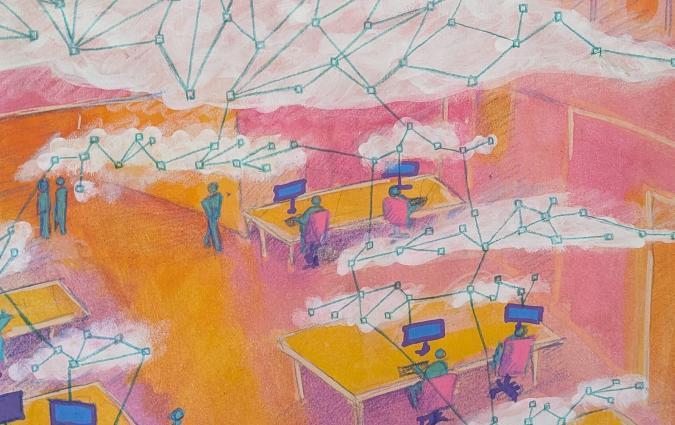
On the cusp of abundance? How AI may redefine our relationship with news

Your AI butler will serve you “factslop”: How zero click hurts the consumer, and the newsrooms LLMs depend on
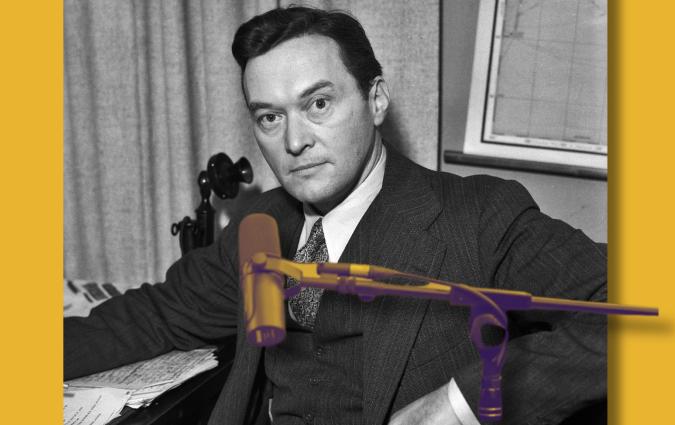
Is it a good idea to use AI to clone real journalists’ voices? It depends how you interpret the question

How AI can help journalists rebuild a fraying connection with their audiences
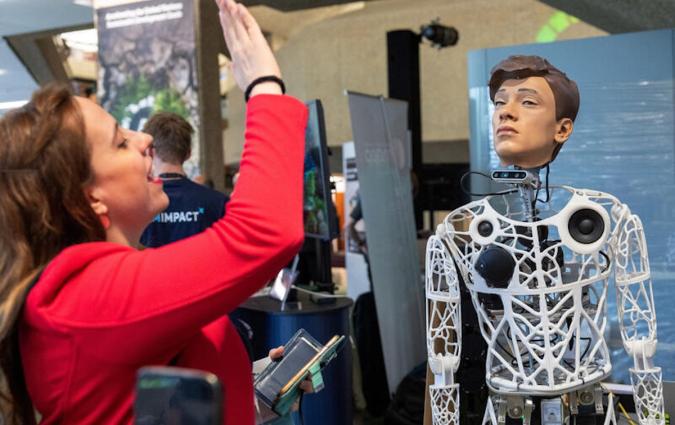
Neither humans-in-the-loop nor transparency labels will save the news media when it comes to AI
We need clarity about the deals between AI companies and news publishers. Here’s why
How news coverage, often uncritical, helps build up the AI hype

How the news ecosystem might look like in the age of generative AI


Our three key priorities
Evidence
We bring research, original reporting, and world-class computer scientists from the University of Oxford to discussions around AI and the future of news.
Engagement
We host private sessions where journalists, editors, and executives can learn about AI without the pressure to be “on message.”
Expansion
We want to enable discussions that take a broader view than “what can journalists and news media do with AI” and also consider AI as a topic to cover, a reason for concern for many journalists, and something they need to try to understand.
By focusing on these three key priorities we hope to enrich a discussion also enabled by many other interesting initiatives including JournalismAI from LSE's think tank Polis, AI Journalism Lab from CUNY, the Tow Center for Digital Journalism, the Generative AI in the Newsroom project, the AI Media and Democracy Lab, the AI Elections Initiative from Aspen Digital, AI in Media from WAN-IFRA and others.
_______
When AI meets creative writing: an audio experiment at Czech Radio
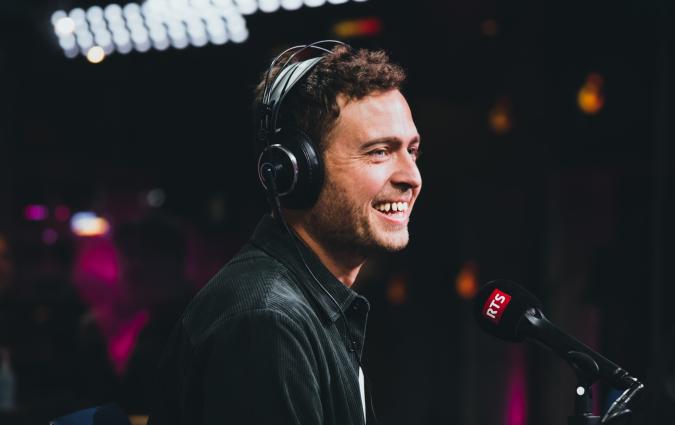
The day AI clones took over a Swiss radio station

Meet NAT, the AI-generated presenter offering soft news to Mexican audiences







Our work on AI and the future of news is supported by initial seed funding from our launch partners at Reuters.

Our Digital Deep Dives on AI are in partnership with the Thomson Reuters Foundation.

The Institute’s core funding comes from the Thomson Reuters Foundation. Beyond this, we receive support from a wide range of other funders including academic funding bodies, foundations, news media, technology companies, regulators, and others, and earn income from leadership development programmes and other activities. More about our funding here.
______