


The Washington Post 10 October
The Telegraph 26 Sept 2023
Press Gazette
NPR's All Things Considered
Our Journalist Fellowship

The programme
Our Journalist Fellowship Programme is one of the world’s leading schemes for practising, mid-career journalists to take some time out from their day jobs to explore journalism in depth.
Journalists joining us in Oxford will further their understanding of journalism through seminars, networking events, discussions with peers and working on a personal project. This is a programme for working journalists and editors who will return to journalism after spending a few months with us. Applications are now closed for fellowships beginning in the 2026-27 academic year. They will reopen again in January 2027. | More on the programme
How to apply to the programme
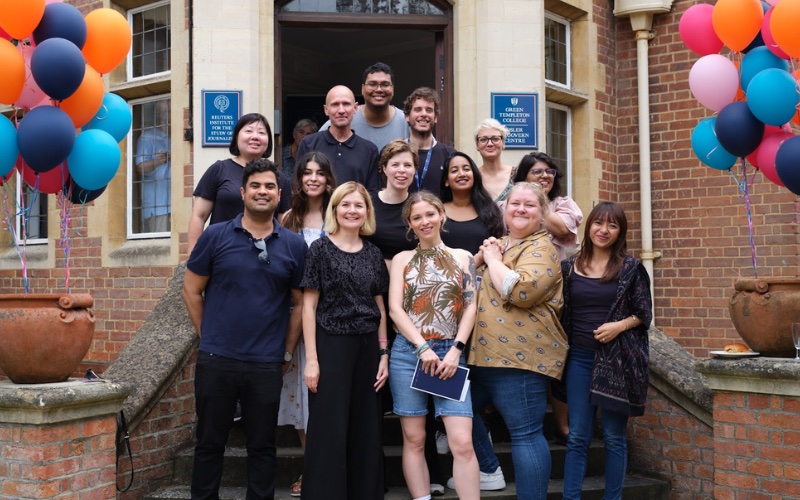
Any journalist with more than five years of experience in newsrooms can apply for the programme. Here are the things you need to prepare for your application. | Learn more
What do our Fellows do in Oxford?
Our Journalist Fellows work on a project that addresses an issue that's important for their newsrooms or for the news industry as a whole. | Explore their projects
Who funds our Fellowships?
Our programme is funded by different organisations, including foundations, nonprofits, public broadcasters and private news companies. | More on our funders
In every email we send you'll find original reporting, evidence-based insights, online seminars and readings curated from 100s of sources - all in 5 minutes.
- Twice a week
- More than 20,000 people receive it
- Unsubscribe any time
signup block
What you need to apply
A one-page project statement and a 150-word summary of your proposed project idea.
A one-page motivation statement. Why are you ready for a fellowship? Why do you want to do this project?
A two-page CV. Describe briefly your career and your education history. You can includes links to your work.
Two letters of reference. Ask two people who know you and your work. Each reference should be just one page.
Our Journalist Fellows in their own words
My time as a Journalist Fellow was among the most fulfilling of my career, offering rare time and exceptional support to pursue work that served my outlet and advanced broader conversations about journalism’s purpose























Newsroom leadership library

Welcome to our Newsroom Leadership Library, where you’ll find a few key recommended readings and resources curated by our team. These resources, pulled from both within the RISJ community and beyond, can help inform journalists and managers looking for ideas and best practices to lead their teams through a changing industry. Got a suggestion to add to the list? Email us!

Media leaders must keep learning. Here are five principles to guide your learning and ensure it delivers
The Authentic Leadership Project
Assessment: What’s your leadership style?
The worst year of your career begins when you become a boss
Trust and fear in the newsroom: How emotions drive the exchange of innovative ideas
Leadership is a service: how to help your team find purpose and navigate change
Effective leadership in journalism: Field theory in how journalists evaluate newsroom leadership
Media leaders must keep learning. Here are five principles to guide your learning and ensure it delivers
The Authentic Leadership Project
Assessment: What’s your leadership style?
The worst year of your career begins when you become a boss
Radical Candor
Trust and fear in the newsroom: How emotions drive the exchange of innovative ideas
Leadership is a service: how to help your team find purpose and navigate change
Effective leadership in journalism: Field theory in how journalists evaluate newsroom leadership
Five tips on newsroom leadership from the International Journalism Festival 2023

[Infographic] 10 ways to become an excellent leader in news

Mar Cabra from The Self-Investigation on how media leaders can protect their teams (and themselves) from burnout

Five tips for building a culture of care in your newsroom: Strategies for newsroom leaders
Leaders learn tough lessons about resilience
Escaping toxic newsroom spaces and online hate
Editors’ checklist: Protecting staff and freelancers against online abuse
Mar Cabra from The Self-Investigation on how media leaders can protect their teams (and themselves) from burnout
Five tips for building a culture of care in your newsroom: Strategies for newsroom leaders
Leaders learn tough lessons about resilience
Escaping toxic newsroom spaces and online hate
Editors’ checklist: Protecting staff and freelancers against online abuse
Protecting journalists from online abuse: a guide for newsrooms
Breaks, grief and community: how to protect yourself when sifting through graphic visuals from Gaza and beyond
Managers are trapped in a performance-compassion dilemma
The real value of middle managers
Managers are trapped in a performance-compassion dilemma
The real value of middle managers
The squeezed middle — how do managers cope?
Have organisations squeezed the ‘squeezed middle’ too much?
The focus turns to newsroom leaders for lasting change
The focus turns to newsroom leaders for lasting change
Lessons in confronting old newsroom values and structures
Hearts and minds: Harnessing leadership, culture and talent to really go digital

How these three Zillennial media leaders approach management in multigenerational newsrooms
What Gen Z can teach their bosses about the meaning of work
What newsroom leaders should know about working with Gen Z employees
How these three Zillennial media leaders approach management in multigenerational newsrooms
What Gen Z can teach their bosses about the meaning of work
What newsroom leaders should know about working with Gen Z employees
Seven ways to create a newsroom Gen Zs will stay in
Navigating intergenerational dynamics at work: a study of Singaporean newsrooms
Project management in newsrooms
Buddy system for new hires strengthens onboarding experience, research shows
Women and leadership in the news media 2023: evidence from 12 markets
Changing Newsrooms 2023
Race and leadership in the news media 2023: evidence from five markets
How to implement a feedback culture in your newsroom
Project management in newsrooms
Buddy system for new hires strengthens onboarding experience, research shows
Women and leadership in the news media 2023: evidence from 12 markets
Changing Newsrooms 2023
Race and leadership in the news media 2023: evidence from five markets
How to implement a feedback culture in your newsroom
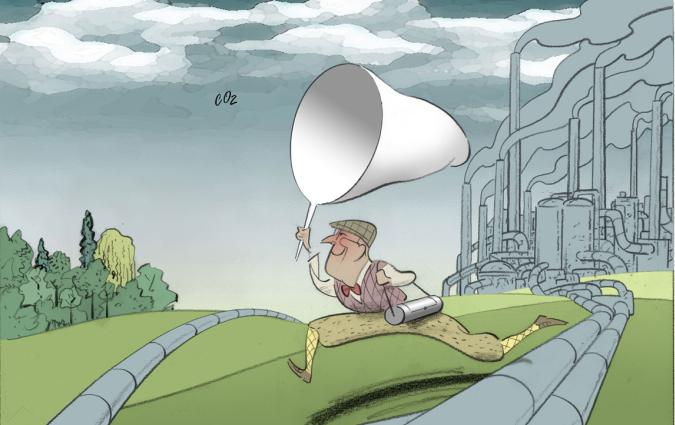
How to fix climate journalism
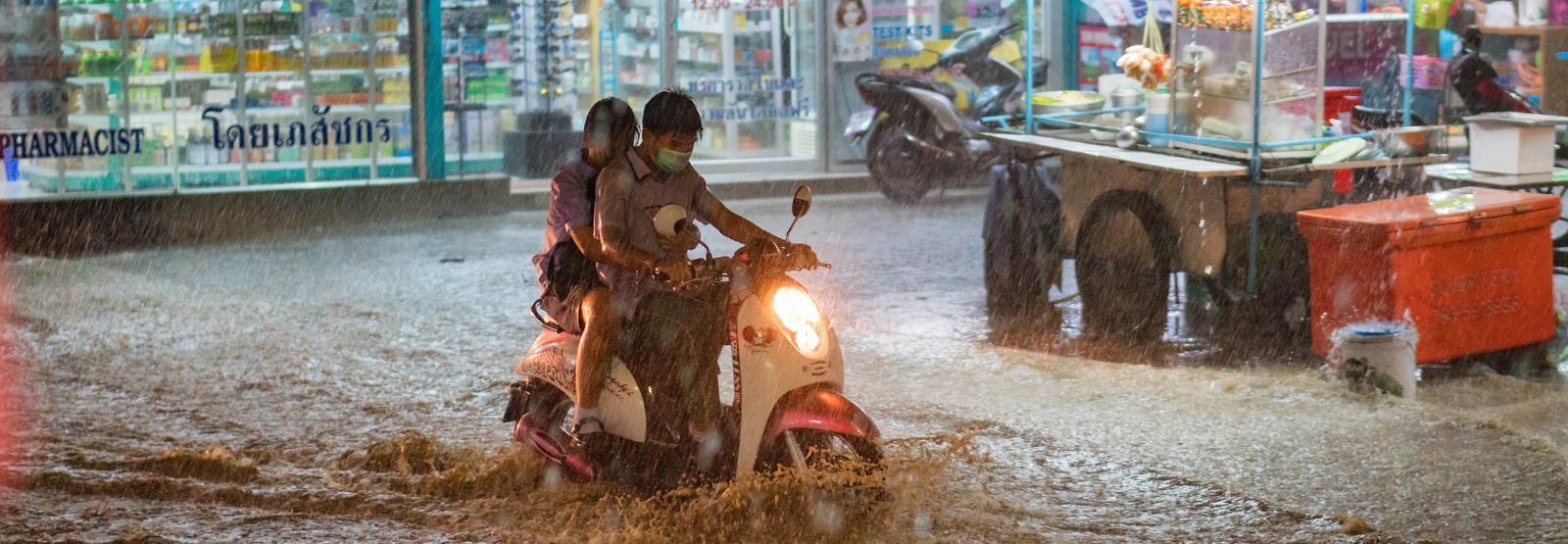
Essays from our climate network
How do we write about climate change in a way that sidesteps polarisation? How do we connect climate change to our heritage, or explain important context to audiences, or attempt to get information from our own governments? How do we create great climate journalism when resources are strained, and journalists are under mental pressure?
The following essays set out to address all these questions, and more. Over the summer and into the autumn of 2023, we'll be publishing one essay a week from an alumni of the Oxford Climate Journalism Network (OCJN) around the world on how to make climate journalism better. The OCJN is a program at the Reuters Institute that works with reporters and editors around the globe to improve climate literacy in newsrooms and help build engaging and impactful climate journalism.
Newsrooms should develop a mental health strategy to help climate journalists cope
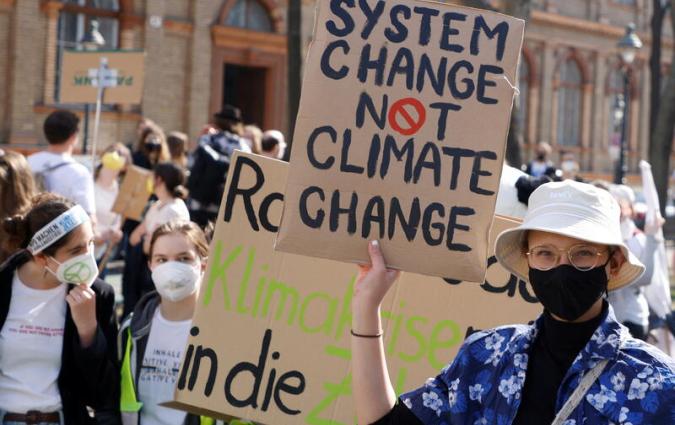
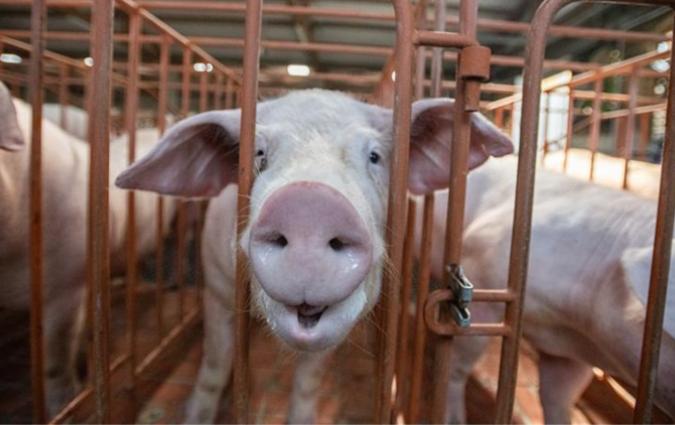
To cover climate change well, journalists must be prepared to identify what misinformation looks like
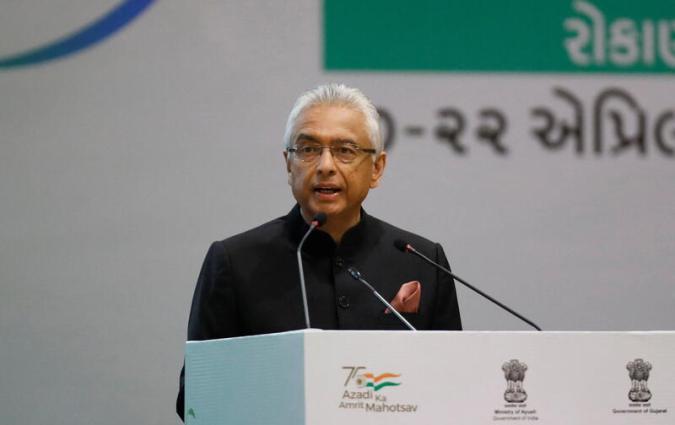
When it comes to “green” finance, journalists must be willing to dig behind the jargon
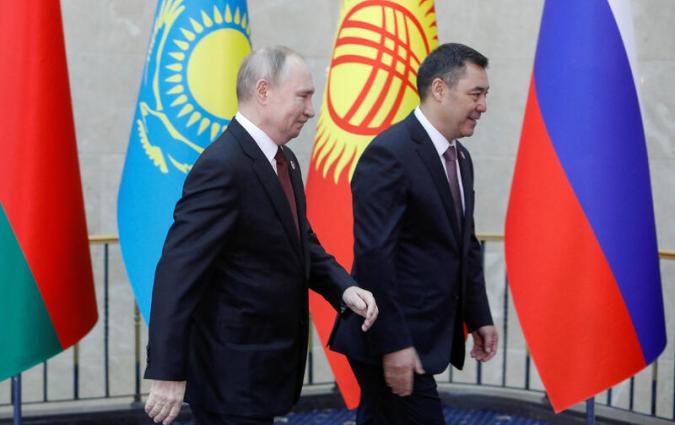
Climate journalists need to connect the dots between climate change and the invasion of Ukraine
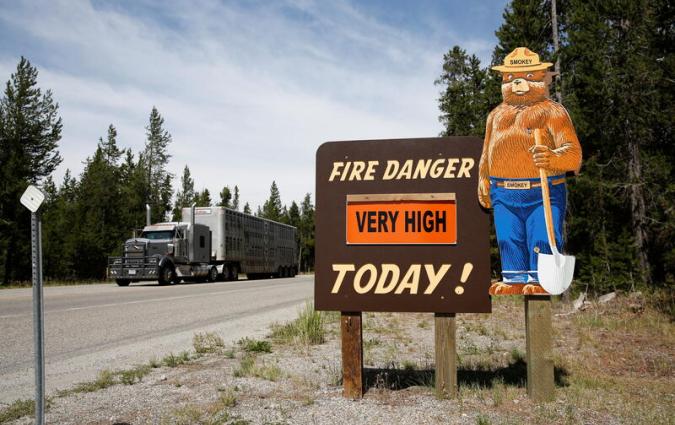
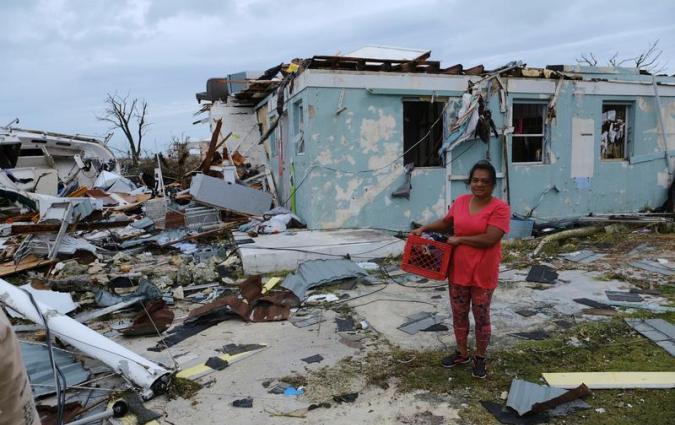
To cover the aftermath of extreme disasters, journalists must start covering what we cannot rebuild
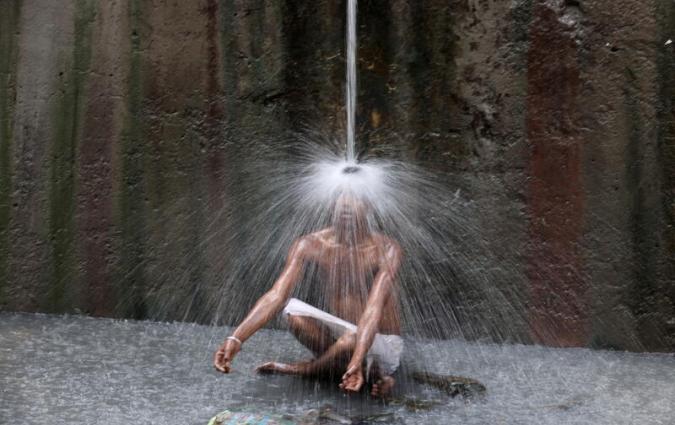
To help journalists cover rising temperatures, newsrooms need to start with climate literacy
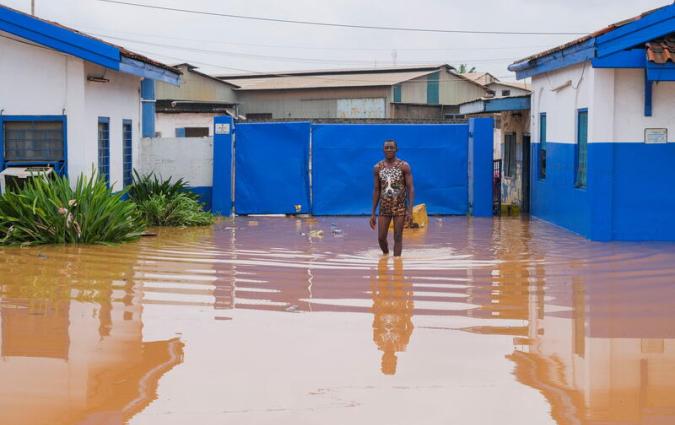
To cover climate change in resource-strapped newsrooms, journalists need to embrace collaboration
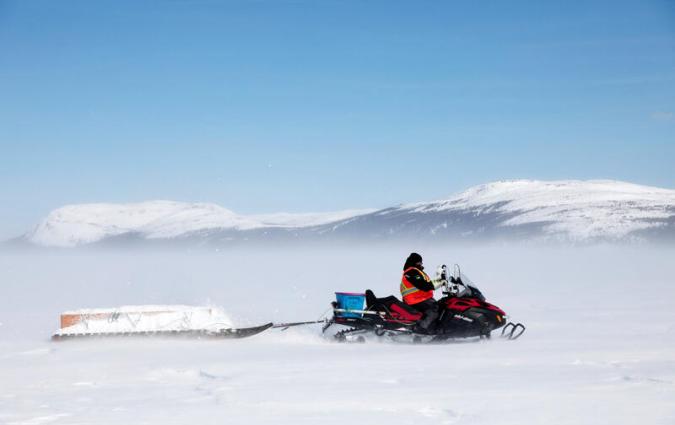
To report fully on climate change, journalists need to integrate Indigenous knowledge into their coverage
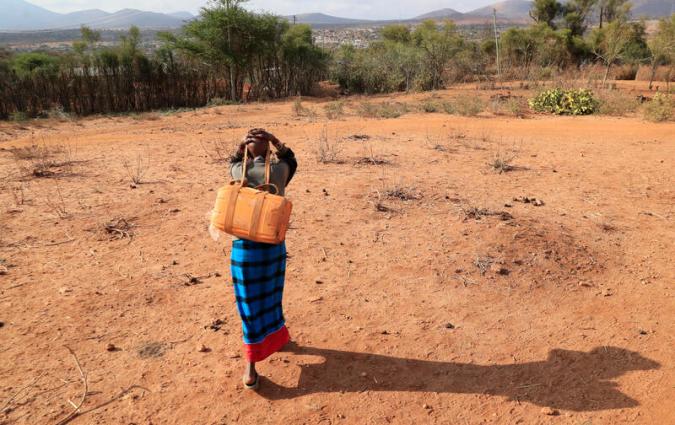
To cover climate change, journalists need to find creative ways to fund long-term reporting
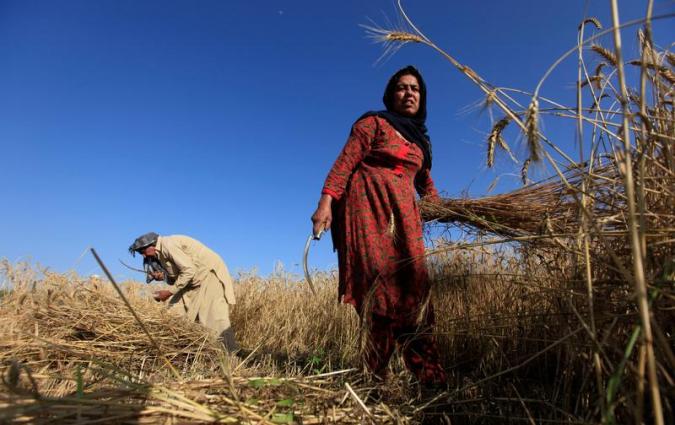
Climate journalists need persistence to get good data, including from governments

To make climate change resonate with audiences, connect it to their heritage and culture