



Journalism.co.uk podcast 14 October 2021
Meedia 24 September 2021
Wired 24 September 2021
El Periodico 23 September 2021
LatAm Journalism Review 20 Sep 2021
BBC's Climate Question 20 Sep 2021
Changing Newsrooms

Overview
Three-quarters of newsroom leaders in our survey say generative Artificial Intelligence will help newsrooms increase productivity and improve workflows, but only a fifth think it will fundamentally change every role in the newsroom. Meanwhile, two-thirds said their newsrooms have implemented hybrid or flexible working.
These are some of the findings of this annual report based on a survey of 135 senior industry leaders from 40 countries and a series of in-depth interviews. It seeks to explore ongoing shifts and challenges facing newsrooms including workplace practices, Artificial Intelligence and diversity. | Start reading

Perspectives on AI
74% think that generative AI will help newsrooms increase productivity but only 21% think it will transform processes, fundamentally changing every role in the newsroom. | Learn more
Hybrid working is the norm
65% of newsrooms allow a degree of flexible working with rules in place for staff. The most common approach requires staff to be in on fixed days and rules around this are set and enforced | Learn more
A mixed record on diversity
90% of our survey participants feel their organisations are doing either a very good or quite good job on gender diversity. Numbers are lower when it comes to other areas. | Learn more
In every email we send you'll find original reporting, evidence-based insights, online seminars and readings curated from 100s of sources - all in 5 minutes.
- Twice a week
- More than 20,000 people receive it
- Unsubscribe any time
signup block





The Oxford Climate Journalism Network
Overview
The Oxford Climate Journalism Network (OCJN) is a programme that supports a global community of reporters and editors across beats and platforms to improve the quality, understanding and impact of climate coverage around the world. We are a programme of the Reuters Institute for the Study of Journalism at the University of Oxford.
Since its launch in January 2022, the network has worked with 800 reporters and editors from over 120 countries, from editors-in-chief and business editors to photojournalists and climate specialists.
Our work on climate journalism
Seven lessons about covering extreme heat
Key takeaways from our event on how to report on this issue.
14 things we learnt from running our climate network
A piece by Diego Arguedas Ortiz and Katherine Dunn.
Why we created the Global South Climate Database
Diego Arguedas Ortiz and Ayesha Tandon on how this initiative can help journalists around the world.
An essay series from members of the Oxford Climate Journalism Network
Newsrooms should develop a mental health strategy to help climate journalists cope
To cover climate change well, journalists must be prepared to identify what misinformation looks like

When it comes to “green” finance, journalists must be willing to dig behind the jargon

Climate journalists need to connect the dots between climate change and the invasion of Ukraine
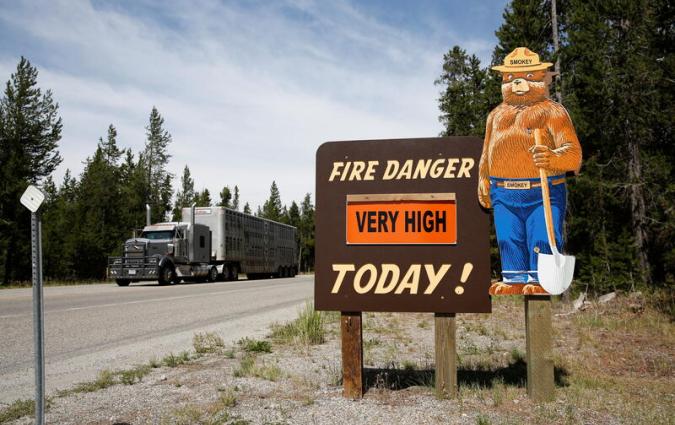
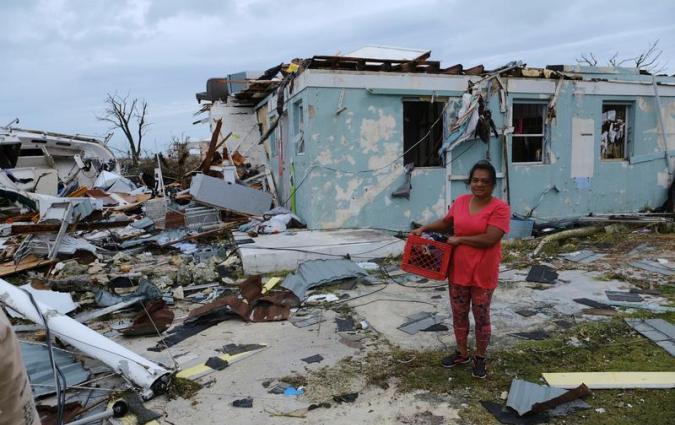
To cover the aftermath of extreme disasters, journalists must start covering what we cannot rebuild

To help journalists cover rising temperatures, newsrooms need to start with climate literacy
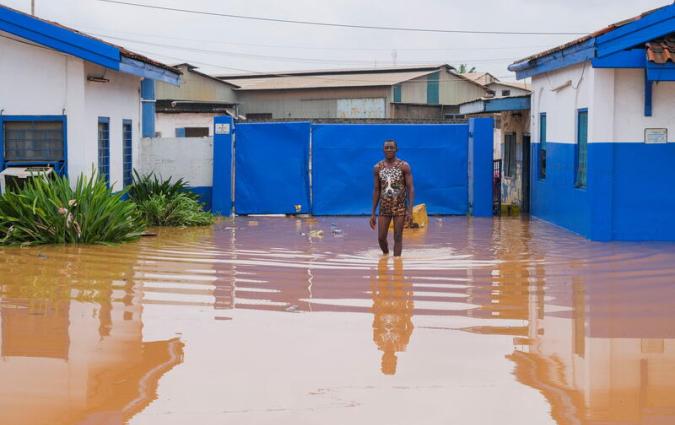
To cover climate change in resource-strapped newsrooms, journalists need to embrace collaboration
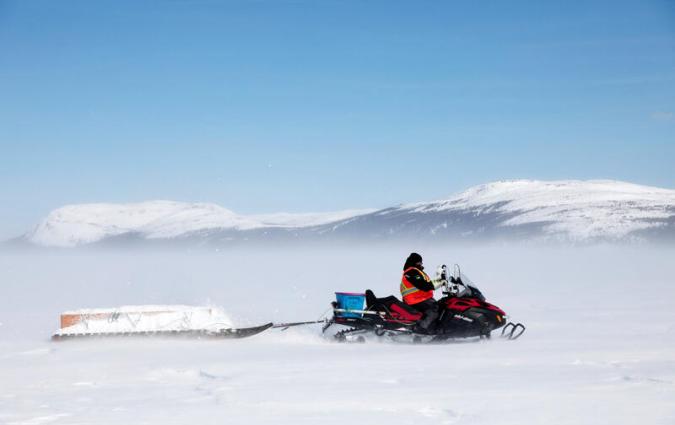
To report fully on climate change, journalists need to integrate Indigenous knowledge into their coverage
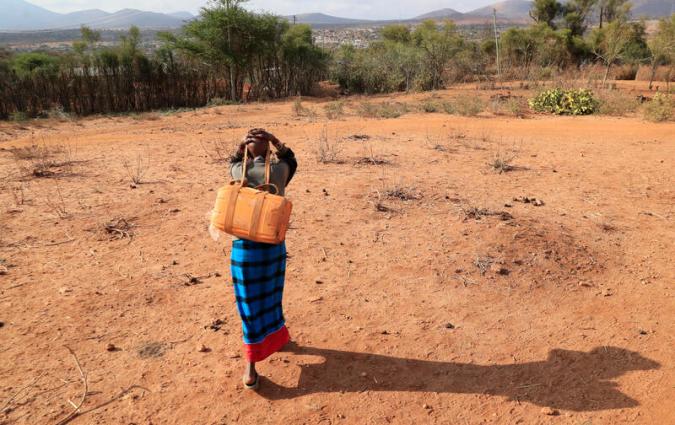
To cover climate change, journalists need to find creative ways to fund long-term reporting
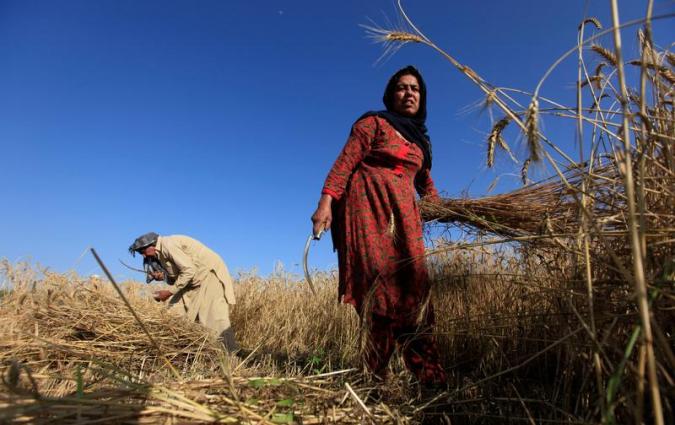
Climate journalists need persistence to get good data, including from governments

To make climate change resonate with audiences, connect it to their heritage and culture
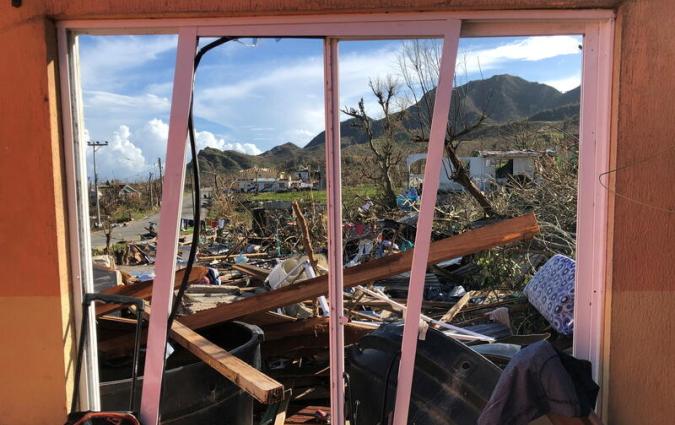
Journalists should help audiences understand extreme weather – even when they lack climate data
In every email we send you'll find original reporting, evidence-based insights, online seminars and readings curated from 100s of sources - all in 5 minutes.
- Twice a week
- More than 20,000 people receive it
- Unsubscribe any time
signup block


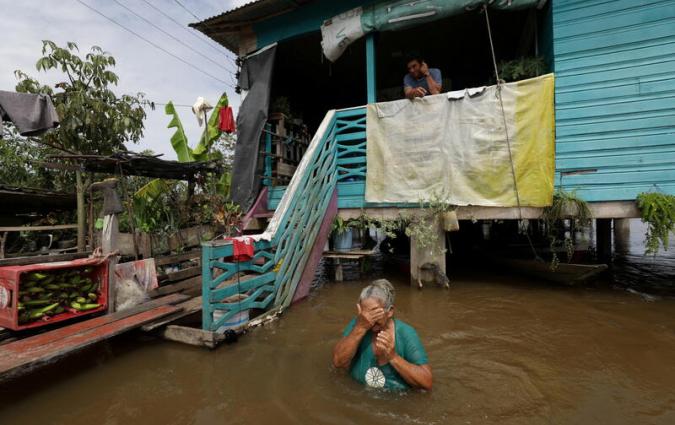
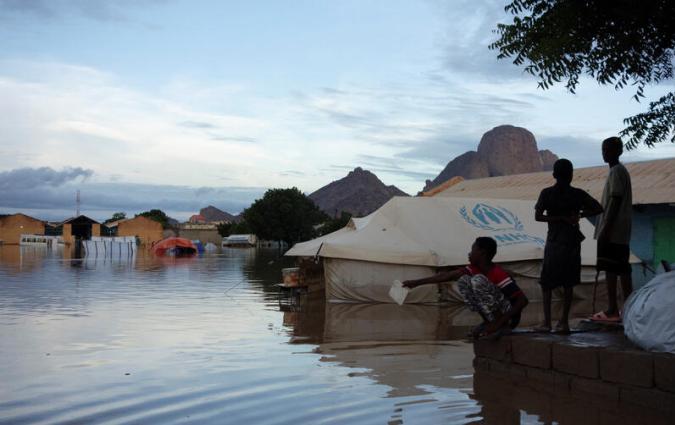
"Climate change is a really good laboratory for tackling so many of the problems we have in journalism"

How Norway’s public broadcaster uses AI-generated summaries to reach younger audiences
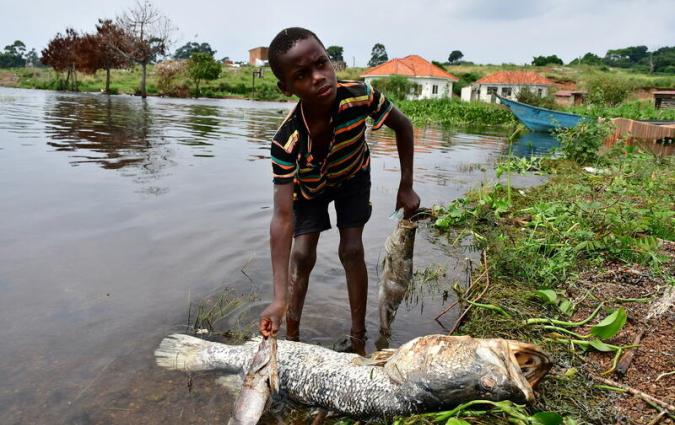
Why East African journalists struggle to cover climate change
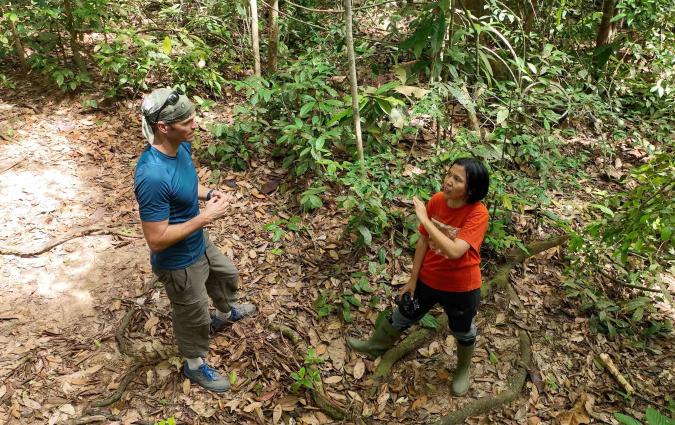

Despite growing dangers, reporters are finding new ways to report on the Amazon

From Lagos to Dublin, this platform connects journalists to cover how climate change threatens cities worldwide

Reporting extreme weather – a case study of the 2022 Indian heatwave
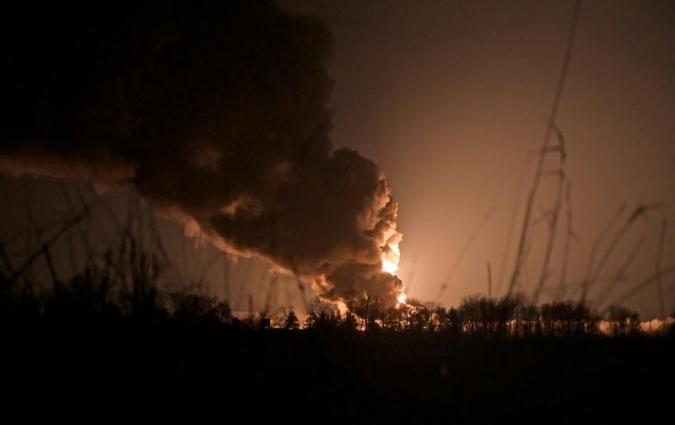
As an oil-funded war ravages Ukraine, climate coverage struggles to find its footing
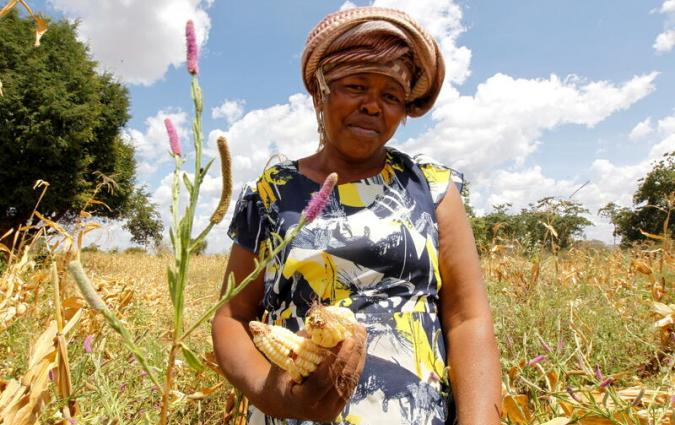








Our podcast: From protests to politics: How people engage with news about climate change
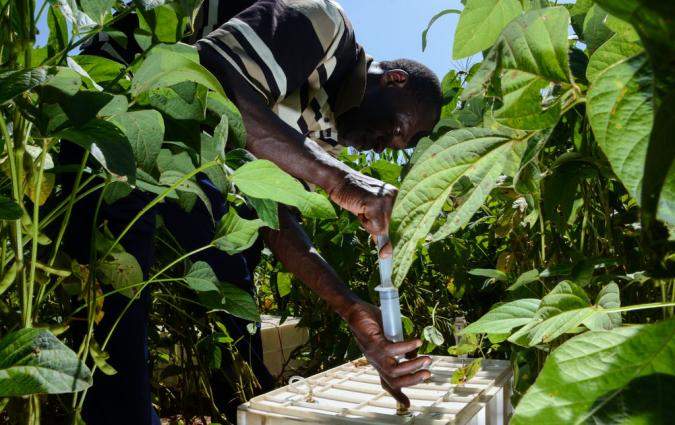
Our podcast: amplifying the voices of climate experts from around the world
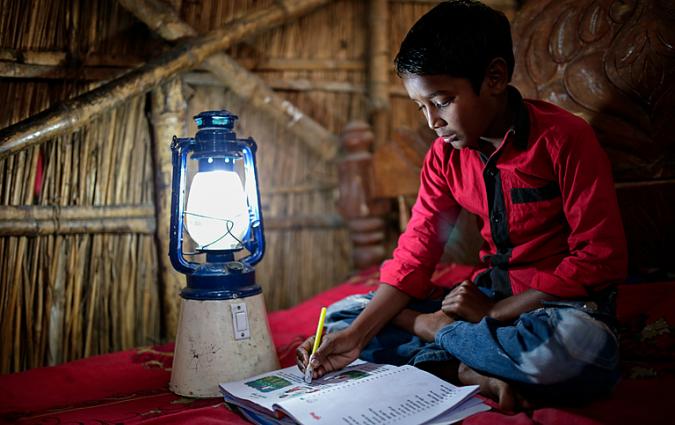





The first year of the Oxford Climate Journalism Network was funded by a £477,170 grant from the European Climate Foundation (ECF), an independent philanthropic initiative dedicated to responding to the global climate crisis by creating a net-zero greenhouse gas emissions society. The second year was funded by a £435,000 grant from the Laudes Foundation. The third year is funded by a grant of £1 million over three years by Laudes Foundation and a £249,434 grant by the ECF.