



News
Life after SEO: How newsrooms are adapting to the AI search shift


In this episode of Future of Journalism we’re diving into our major report gauging the perspectives of media leaders around the world on the challenges they’re facing in 2026 and how they plan to respond. We’ll look at the impact of AI on how news is accessed and produced, the role of social media, video platforms and news creators, how companies are adapting their business models, and much more.
Nic Newman is the lead author of the Journalism, Media, and Technology Trends and Predictions 2026 report and is a Senior Research Associate at the Reuters Institute. He is also a consultant on digital media, working actively with news companies on product, audience, and business strategies for digital transition.
Our host Mitali Mukherjee is the Director of the Reuters Institute. She's a political economy journalist with more than two decades of experience in TV, print and digital journalism.
Outlook among media leaders | AI Overviews, ChatGPT and search traffic | Deals with AI companies | AI and content strategy | Approaches to news formats and social media | The challenge from news creators | AI slop and job losses | Strategies around revenue and innovation
Mitali: While talking about this report previously, this is several iterations now that you've been working on it, so maybe we do a little bit of a context setting first on what the report is about, because this one is quite industry facing, isn't it.
Nic: So, yeah, this is based on an industry survey. We had 218 industry leaders that editors-in-chief, CEOs, heads of innovation from around the world, from 51 different countries, and we ask them every year what they think is going to happen, where they're going to be putting their big bets, what they're worried about, so it's really a unique insight into some of the things that might happen going forwards.
Mitali: Amazing. So let's dive into some of the findings, and we're opening with kind of the easiest question, Nic, how confident are news leaders in the prospects for journalism in the year ahead, because that's a question we've been asking them every year now, and it's important to understand how that compares to previous years as well.
Nic: Yes, so I mean, not, not great news, off the bat. Only 38% of the respondents said that they felt confident about prospects for journalism. I mean, some of the individuals felt confident about their own own prospects, their own business prospects. And I think there's a number of reasons for that, so you've already mentioned, AI, there's a lot of uncertainty about the impact of that on the businesses, on traffic. I think also that general sense, which has been building for years, that there is a disconnection between many brands, and particularly younger audiences, lower trust more widely.
So some of these issues come up regularly and then actually attacks by politicians and the the environment within which journalism works in many parts of the world. That's another thing that came up regularly, that's everything from verbal attacks, physical attacks, in some cases, on journalists. But, you know, politicians undermining, taking out legal action against journalists. You know, obviously Donald Trump is at the forefront, but it's not just Donald Trump. Donald Trump, of course, introduced an Offender of the Week website where he publicly shames journalists or journalistic organisations that try to hold him to account. That's just one example, I think, of how many politicians are trying to circumvent and go round media companies. I think that's going to be an increasing trend.
AI Overviews, ChatGPT and search traffic
Mitali: So much of the mind space, as you said, Nic has been taken over by AI, and there's three elements to it. One is internal, within the newsroom. The other is external in terms of audience content, and the third is really the gateways, you know, is AI changing that for audiences and how they how they access the news? Let's talk about that third one a little bit, because that's an important one, and it is one that news publishers have said they're concerned about, essentially, how is traffic changing to news sites because of AI? What did you find there from your conversations?
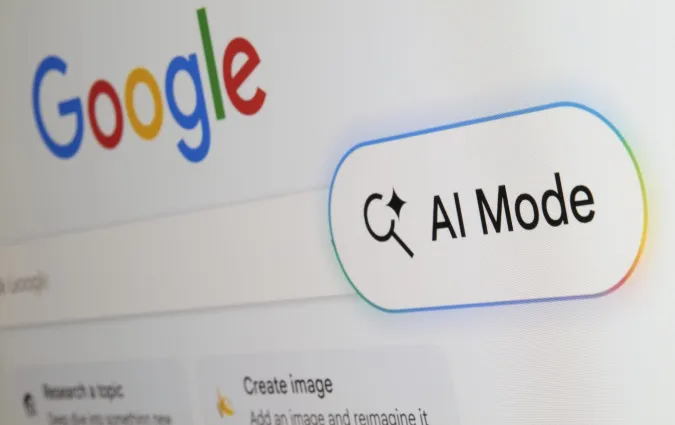
Nic: Yes, as you say. I mean, the fear is that AI Overviews, which have started to be shown in Google, particularly mean, and you know similar chatbots, such as ChatGPT, means that for a lot of fact-based queries that people have, consumers could be getting everything they need in the interface, and there's no reason to then click on to publisher websites, which is where the monetisation happens. And in the survey, on average, our publisher respondents felt they would lose a very significant portion of their traffic over the next three years, about 40% of their traffic over the next three years. Quite a lot of variation. You had a lot of pessimists who felt they would lose most of their traffic, and then others who already have quite strong relationships, maybe feeling only smaller effects.
So that's about expectation, but in terms of actually what's happening, we turn to Chartbeat, which is an analytics company that monitors and works with a lot of news providers. And what that shows, what that data shows across more than 2,000 websites is around a 33% decline in traffic from Google. Just in the last 12 months or so. It's very hard to know how much of that change is to do with AI Overviews, AI Mode, how much it’s to do with changes to the core algorithm. But obviously, publishers that are very dependent on referral traffic, that don't have a lot of direct traffic, this is going to be a very significant problem and likely to get worse.
Mitali: And Google made late but very quick strides in that area, Nic, some of our other research on a narrower set of countries, did point to the fact that most people turned to ChatGPT in terms of recall for some of these chatbots. Is that having an impact on news? What does that impact look like?
Nic: Yes, we certainly know from the other work we do that ChatGPT is seeing a lot of adoption. So the company itself, I think, estimates around a billion weekly users, and many of those are younger as well. And of course, it's now connected to real time news, so you can ask it questions, and then you'll get back information about the news, but also maybe some citations to a few news providers as well, but not particularly prominent.
And so when we look at the referral data from Chartbeat, what we see is that the referral numbers are growing fast, but the actual numbers are pretty small. So Google still provides way more referral traffic, about 500 times as much referral traffic. Now that may change. I think the other really interesting thing is that a lot of the disruption is not necessarily going to come from what we see today in terms of chatbots.
We also need to watch for what's coming next, which is the agentic AI products which don't require you to put something into a search box, but actually go looking for information for you on a constant basis and bring you back, you know, little briefings around news or any other kind of subject. So, for example, Pulse from ChatGPT was launched at the end of last year, and it brings back these little briefing boxes.
I use one called Huxe, which is an audio version of that, and it kind of goes through your emails and your calendar, and it gives you a lovely little audio update every morning or whenever you go into the app, and it brings news as well to you. And I think that, again, in our survey, publishers expect AI to move very fast and to have very big impacts beyond what we see today in terms of chatbots.
Mitali: There is a fourth element to that AI question that I was pointing to earlier, Nic, which is about monetisation, in the sense of organisations benefiting financially in business deals with AI companies. Up until now, I think it's worth mentioning it's happened with very large legacy organisations, and that it's been, of course, quite opaque in terms of what the terms of these deals are. But how are news organisations feeling, more broadly as a community about these deals, or potential deals with AI companies?
Nic: That’s the really big question around what the new terms of trade are going to be? Is there going to be any money? Is it going to be substantial? Is it going to last? And we have seen some deals, mainly with a few big media companies and news agencies. There's also, of course, the legal action. So publishers are also suing some of the AI companies. But I think, you know, the big questions around a lot of criticism.
People saying, well, these deals aren't going to be renewed, the media is making that historic mistake yet again, playing into the hands of these big companies. I think others are more optimistic, though. They think that ultimately these AI chatbots are going to be judged on the accuracy of the information, and that they don't have real time, reliable facts, and that's something the news industry does have. And so that there will be actually longer term value.
In the survey, about a fifth felt that there would be a substantial revenue line for them going forwards. So, you know, relatively optimistic, about half think there'll be some money. So part of our diversified revenue portfolio may be, and then a fifth are basically pessimistic. They think they're going to get no money at all. And many of those, of course, are smaller publishers or public service broadcasters, or people who just don't feel … or from smaller countries … that simply don't feel that they're going to have a seat at the table.
And I think that this year, that's going to be a really interesting issue. You know, how could this be structured in a way that benefits the whole ecosystem, rather than just a few big companies? I think there's gonna be a lot of talk about that. There's a lot of people going to try and think about solutions to that problem, but it's a really hard one.
Mitali: Yeah, it is. And just looping back to the content side of things, as you said. For many of the larger organisations, this is, in some ways, year four in terms of AI innovation. How are they thinking about content strategy, responding to this growing role of AI, you know, it would be great to hear some interesting examples from there.
Nic: I mean, pretty much everyone recognises that they don't want to be so dependent on platforms. And how can you break that, whether that is AI or social media? And so the direction of travel is basically, how can we create stuff that is more distinctive, that can't be summarised in three bullet points, that can't be replicated by AI? What does that mean? More original investigations. So we gave our respondents a list of questions and distinctive content, on the ground reporting were seen as a point of difference. You know, AI is not going to be able to bring a report from the ground.
Do more human stories as well. So that emotional connection that journalists bring, people think it's going to be hard for AI to replicate, as well as analysis. And of course, AI can do analysis and bring sources together, but not necessarily with a trusted human voice. So again, that really emphasising those elements of distinctiveness. I think by contrast, publishers are planning to scale back service journalism, evergreen content.
So things like, you know, weather, travel news, things that clearly the AI has that data and can provide it in a really effective way. So that's likely to be more commoditised. And then some people say, "Well, we're going to do a lot less general news." Again, people expect the AI chatbots to be able to deliver that in the way that I described earlier, in terms of, you know, bringing information to you. But if you want something that's more distinctive, with more of a tone of voice, this is really where the focus is likely to be.
Approaches to news formats and social media
Mitali: And if we were to split the pie, just as you did around genres, you know, generally speaking, in terms of formats, is there a tilt towards one and a tilt away from another?
Nic: Very much so. I think many media companies, of course, come from a print background, and so text is very familiar to them. But I think the big switch in people's minds now is that content needs to be multimodal, and that means investing in video and audio. And I think there's a number of reasons for that, partly economic, but I also think that people feel that video content and audio content can be harder to summarise. So obviously AI can compress these things, but not necessarily in a way that's meaningful and is human and has that connection. So I think a big part of that is focusing much more on video content and other other formats.
Mitali: In some ways, Nic, AI is a new friend and foe, and social media has been an older friend and foe and we did see over the course of the last few years, particularly with the politics that you pointed to, some of these platforms have crumbled to nothing for publishers. Has that changed up significantly? How are they approaching the whole social media space?
Nic: Well, I mean, social media has changed a lot in the last few years. In many ways, it is becoming less about social and it's becoming more about the media part of it. So actually, Mark Zuckerberg revealed last year that only 17% of content in Facebook now comes from people you actually know. Even less of it in Instagram actually, and the rest of it essentially comes from somewhere else. So the feed now is more about viral hits. It's more about video.
It's more about entertainment. It's about keeping people within the platform. And if you look at trends over the last few years from our Digital News Report as well, again, it's really YouTube, it's TikTok, it's Instagram, where we see the growth. So there's video platforms, and then what you might call more traditional social platforms like Facebook and X are either static or declining in most countries at least, there are exceptions.
So as attention shifts, then we're also seeing those priorities shift. Publishers this year say they're going to put more attention into YouTube. That's the number one. So net score of plus-74 so there's people who say they're gonna put more effort, and we take away people who say they're gonna put less effort. So [that’s] clearly the number one priority, and I think that's because that's where audiences are going. It also has very good monetisation, of course, as well, and it's increasingly a force on television.
So YouTube on TV, with that longer form content, YouTube on the web with that shorter form content, this is a real priority for everybody. And then, of course, TikTok and Instagram, because they are often the best way of reaching younger audiences. And then on the other side, publishers say that they're going to put less effort into those traditional platforms, Facebook, X, even Bluesky actually, which are platforms still set up around the idea of social connections. This gives you a sense of how things have changed, from referral to engagement and from text to video.
Mitali: And just speaking specifically about TikTok and Instagram, where short form, vertical video is really the key to kind of reaching out to audiences. Is there more that publishers are doing? Is there something new that they're doing in those in that format?
Nic: Absolutely. I mean, vertical video has been around for a long time, but it's mainly been seen as an add-on or something you do for social platforms to reach younger audiences. But I think for all the reasons we say it's gonna be different this year, and it's really moving centre stage, and in particular on publisher websites and apps. So, you know, I think the BBC, the Economist have had these vertical videos, scrolling vertical videos for some time.
The New York Times launched its Watch tab last year. It has news, but it also has lifestyle content. You can scroll through it. They put a lot of time and effort into it. And this year, we're going to see literally dozens of publishers launching these watch tabs on their own platforms, essentially, and then also trying to reuse that content on TikTok and Instagram as well. I think the other change is not just traditional content in a vertical format, it's really rethinking the whole way in which you do video storytelling.
So, you know, the way it works is you have to grab the attention really quickly. The reporters look at you in the eye in the authentic creator style way, you've got jump cuts and then text layered on top of video as well. So the form of storytelling is also changing, and some of that, as I say, is coming back onto publisher websites this year.
The challenge from news creators
Mitali: You know, you made that point about YouTube, Nic, and part of it is the reason there's interest is because it's been a favorite stomping ground for news creators who you mentioned. And in some ways 2025, was almost a 1-2-3 punch. There was politics, there was AI, and then there was an almost explosion in news creators and how top of mind they became, both for news organisations and audiences. Is there a perceived impact within organisations. Are they kind of shifting their approach, given how audiences are responding to news creators?
Nic: Yes, as you say, this is the other big, mega trend, really. And you and I and some colleagues published a report at the end of last year which showed how news creators were attracting attention in many many countries around the world. It's not just a US phenomenon. It's also Brazil, India, Indonesia and many others.
In our survey, about 7-in-10 of publisher respondents said they were really worried about this new competition, basically these creators building these direct connections and with attention, but time being limited, more of that is going to these individuals rather than to the brands. A further 39% said they were worried about it from a talent point of view, and that's because we have seen a lot of top journalists leaving media companies and setting up on their own. They have more control, potentially can earn more money that way.
So people like Taylor Lorenz, Dave Jorgensen, Oliver Darcy, Jim Acosta, in the US in particular, we've seen this big market. So I think this is going to change lots of things this year. It's changing the economics of some your really big stars who are really good at communicating with audiences, and they now know how much they're worth. So the whole question of talent management retention, I think, is going to be really front of mind for publishers this year.
Mitali: Speaking about AI once again, Nic and kind of pivoting back to some of the other elements we were discussing, an almost three part question for you. A, what's happening inside the newsroom with AI? B, one of the big concerns across journalism, you know, not for leadership, is will AI take our jobs, crudely speaking? And the third is this fear that AI, in some ways, will really up the amount of fake videos, the amount of fake imagery that we tend to see across platforms, essentially AI slop, as it's begun to be termed. Now, how is the news community that you spoke to feeling about, you know, these three elements?
Nic: Yeah, I mean, AI slop, I suppose, people are obviously worried about it, and consumers are worried about it. From a publisher point of view, there is hope that people will come back to trusted content, will come back to those brands. And in our survey, we certainly see increased views that this is going to be potentially good to come back to those trusted brands, rather than [being] in a world where they can't tell what's true and what isn't true. In terms of the different uses of AI in the newsroom, this is really interesting, because publishers are trying to, on the one hand, make their content more efficient. On the other hand, they're warning the public about the unreliable nature of AI. So it's kind of complicated.
I think one consequence of that is that newsrooms have been pretty cautious so far and really focusing so far on back end efficiencies, things that maybe consumers don't see, transcription, headlines, helping to automate metadata, for example. But we're also starting to see it in other areas. So this year, much more use in news gathering.
So there's a great example from the New York Times when Charlie Kirk was killed, the New York Times went through thousands of his videos using AI to identify the subject areas and the rhetorical devices that he was using, and produced a great interactive and that investigation took two weeks, and a previous one they'd done had taken a year. So you can see some of the efficiency in uncovering news stories as well. And then product development, commercial uses also becoming more important.
The other point you made was, you know, to what extent is it saving money, and how is it affecting jobs and all the rest of it. And in our survey, most people feel that what's happened so far is more iterative than transformational. And when we ask people specifically about the jobs, most companies have not saved any jobs or any money so far. So 67% in our survey said that no jobs have been saved. In fact, in many cases, they've added costs, they've added jobs. So some of those savings have not yet come through, and I think that will become an increasingly acute issue as the financial pressures grow, is how can we make more and more quickly of the efficiencies.
Strategies around revenue and innovation
Mitali: That cost saving observation that you share is echoed with what we're hearing across other industries as well, where wider research seems to point to still a lack of clarity on what exactly this means in terms of cost saving mechanisms for companies that choose to adopt more and more AI, maybe 2026, will be the year we find out. As you said, Nic, ultimately, one of the running threads in terms of concerns is, how do we raise revenues? Any developments across news organisations that point to answers or possible solutions?
Nic: I think it's complex, and there's no single answer that I think for many years the focus has been on building up reader revenue, because that's, that's kind of a newer area. So that could be subscription, membership, donations, but also diversifying revenues, so making yourself more resilient by having more revenue streams. I mean, one I might highlight is events. So that's an area where we see more publishers saying that they think it's important this year.
It's very hard to do, but you do see, you know, particularly companies, newer companies like Semafor or Tortoise Media, now the Observer, really putting events at the core of what they do, and the editorial obviously works together with the events. So I think we'll see more of that. Licensing income we talked about earlier, in terms of, you know, some publishers are hoping that that will become a significant revenue stream over time. And I think sponsored content is interesting, because as short form video grows, we are seeing more advertising money going into branded content of different kinds.
So I think that's going to be a big growth area as well. And then I think within that, within the subscription area, we're going to see it's getting tougher. So you've got not just the existing companies trying to get you to subscribe, but you've got some of the broadcasters like Sky and CNN, you know, wanting to launch subscription services as well. So it's gonna be really interesting to see how those efforts, many of which are launching this year, are going to pan out.
Mitali: It certainly sounds from the scores of conversations you've had, Nic that there's mood and potential to innovate as news organisations, and some of the challenges we've talked about so far are external in that they're out of the news organisations’ control in many ways. Do media leaders point to internal challenges as well in this kind of impetus or shift towards innovating more?
Nic: think against the challenges we've described, I think publishers are worried that they're not going to get there just by iterating the existing product, and they have to create new products and they have to innovate more quickly. But when you ask people in a survey, what are the barriers to that, they actually point out very significant numbers of barriers. So firstly, around 6-in-10 basically say there isn't enough focus on it. You know, we're basically putting all of our money and focus on just doing what we already do. And that's not going to get us where we need to go. We need to invest more in innovation, in creating some of these new products of the future that are leaning into some of the trends that we've been talking about, AI or video or whatever.
And you know, the challenges around that are not just about money. They're also about internal arguments about who should make the decisions. So about half think there's a lack of alignment between these competing silos. And then other challenges around skills, you know, keeping and attracting talent around product management or around technology and data science. You know, these are seen as being real challenges. And I think these are huge challenges that need to be addressed. Because, you know, growth is not going to come from just iterating the existing model and being more agile spotting opportunities, being able to deliver them quickly is going to be ever more critical.
Mitali: Since we have stuck our neck out and called this a predictions report, Nic, and you've been watching these industry trends for many years now… I mean, I remember two years ago, the big thing was WhatsApp channels. This time around, I was intrigued to see comments like we're encouraging our journalists to be more like news creators. So just given the context that we've set out, which ones, is your sense, will be best placed to thrive in terms of ideas for 2026?
Nic: I think there's no single answer to that, but I think there are many, many answers, depending you know what, what? Where you're coming from.
Clearly, news organisations that already have strong direct audiences have strong relationships with those audiences are pretty well placed, I think bigger companies, and we see a lot of them in Northern Europe that have multiple brands that have, you know, real scale across across a country, are also in a strong position, but all this at the same time a lot of smaller publishers who who are pioneering some of these low cost models, whether that's an individual creator, group of creators, a hyper local website, you know, anything where you're filling a need or serving a passion and and can spot an opportunity, I think they can also be really successful. It's the stuff in the middle, I think, where you don't have anything truly distinctive.
I think those companies are, and you don't have a plan for the future, I think that's going to be really troubling. And, and I think also, you know, just the companies that can be sufficiently flexible, can be sufficiently quick that think about the future as being multimodal, so not just text or not just TV, but about how to mix all of those elements. I think that's also going to be crucial. So a lot of this is also about internal culture, your ability to change as well.
Mitali: And we'll find out in ‘27 what landed and what didn't. Nic, thank you very much for joining us today.
Nic: Thanks Mitali.
In every email we send you'll find original reporting, evidence-based insights, online seminars and readings curated from 100s of sources - all in 5 minutes.