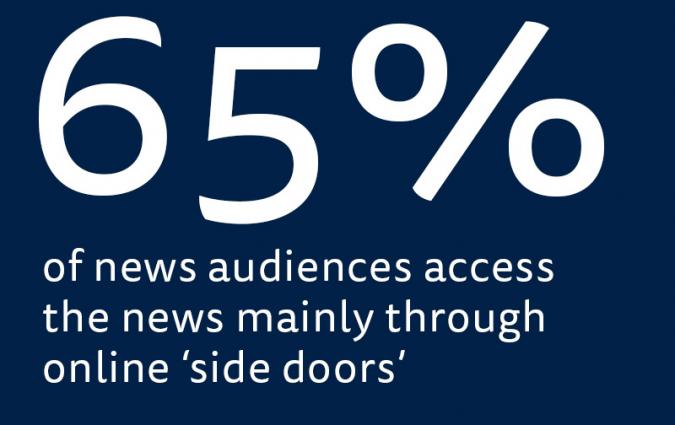
15th March 2019 As the web turns 30, what impact has it had on news consumption? As the World Wide Web turns 30 Reuters Institute research finds the majority of audiences find news through online side doors.
15th March 2019 As the web turns 30, what impact has it had on news consumption? As the World Wide Web turns 30 Reuters Institute research finds the majority of audiences find news through online side doors.
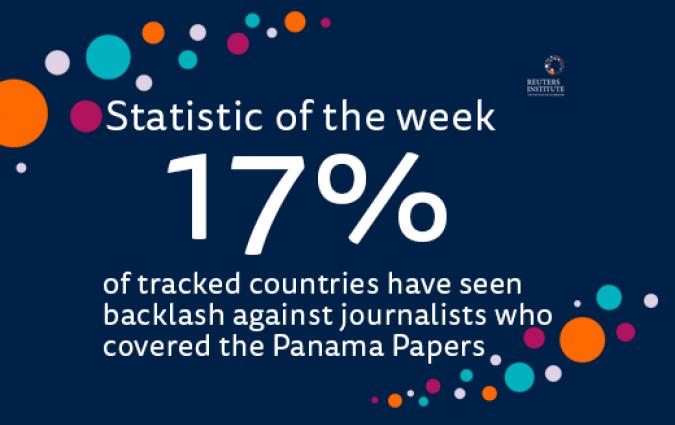
14th March 2019 Resignations, reforms and backlash - impacts of the Panama Papers Three years after the Panama Papers we find that 17% of countries tracked saw backlash against journalists who covered the investigation, mostly in countries with poor press freedom in general.
14th March 2019 Resignations, reforms and backlash - impacts of the Panama Papers Three years after the Panama Papers we find that 17% of countries tracked saw backlash against journalists who covered the investigation, mostly in countries with poor press freedom in general.
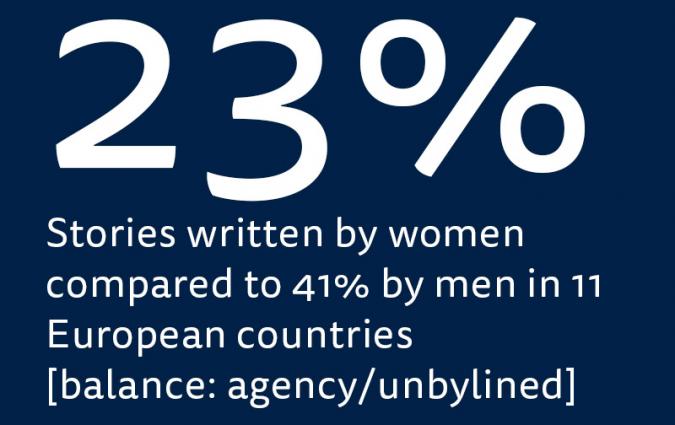
8th March 2019 Female journalists under-represented in European media News stories written by men far outweigh those by women according to a study of news media across 11 European countries.
8th March 2019 Female journalists under-represented in European media News stories written by men far outweigh those by women according to a study of news media across 11 European countries.
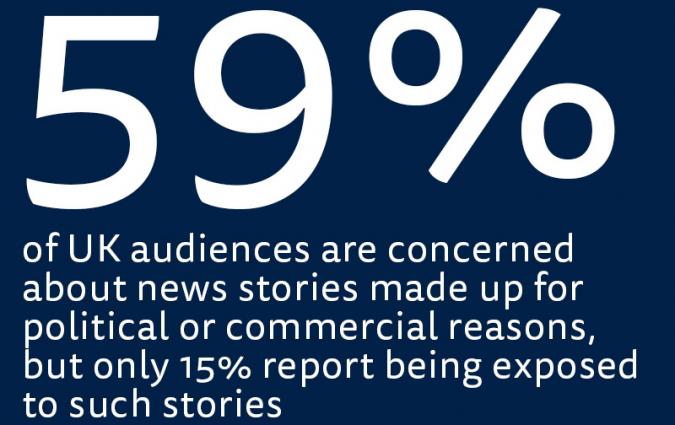
18th February 2019 Exposure and responses to made-up news in the UK Self-reported exposure to stories that are completely made up for political or commercial reasons is fairly low, yet most UK audiences say they are at least very concerned.
18th February 2019 Exposure and responses to made-up news in the UK Self-reported exposure to stories that are completely made up for political or commercial reasons is fairly low, yet most UK audiences say they are at least very concerned.
14th February 2019 What do news readers really want to read about? People choose to read news that is most relevant to their own lives, and the lives of their families, colleagues and communities, according to new research.
14th February 2019 What do news readers really want to read about? People choose to read news that is most relevant to their own lives, and the lives of their families, colleagues and communities, according to new research.
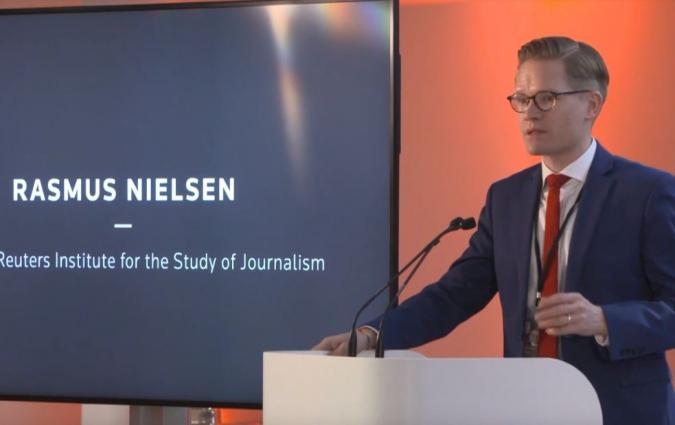
28th January 2019 Reuters Institute report released at World Economic Forum in Davos, 2019 Rasmus Kleis Nielsen, Director of the Reuters Institute, launches report at World Economic Forum in Davos, Switzerland.
28th January 2019 Reuters Institute report released at World Economic Forum in Davos, 2019 Rasmus Kleis Nielsen, Director of the Reuters Institute, launches report at World Economic Forum in Davos, Switzerland.
24th January 2019 Five Things Everybody Needs to Know about the Future of Journalism Report examines the future of journalism including how audiences access news, transformations in professional journalism, and changing political environments.
24th January 2019 Five Things Everybody Needs to Know about the Future of Journalism Report examines the future of journalism including how audiences access news, transformations in professional journalism, and changing political environments.
17th January 2019 Nine ways Facebook can make itself a better forum for free speech and democracy New report by Timothy Garton Ash and others, in collaboration with Stanford University, argues there are nine ways Facebook could act to make itself a better forum for free speech and democracy.
17th January 2019 Nine ways Facebook can make itself a better forum for free speech and democracy New report by Timothy Garton Ash and others, in collaboration with Stanford University, argues there are nine ways Facebook could act to make itself a better forum for free speech and democracy.
11th January 2019 Tackling climate change: Does the media have a campaigning role? Journalist Fellow paper by Ingerid Salvesen. Can the media campaign against climate change in a way that engages readers and retains public trust?
11th January 2019 Tackling climate change: Does the media have a campaigning role? Journalist Fellow paper by Ingerid Salvesen. Can the media campaign against climate change in a way that engages readers and retains public trust?